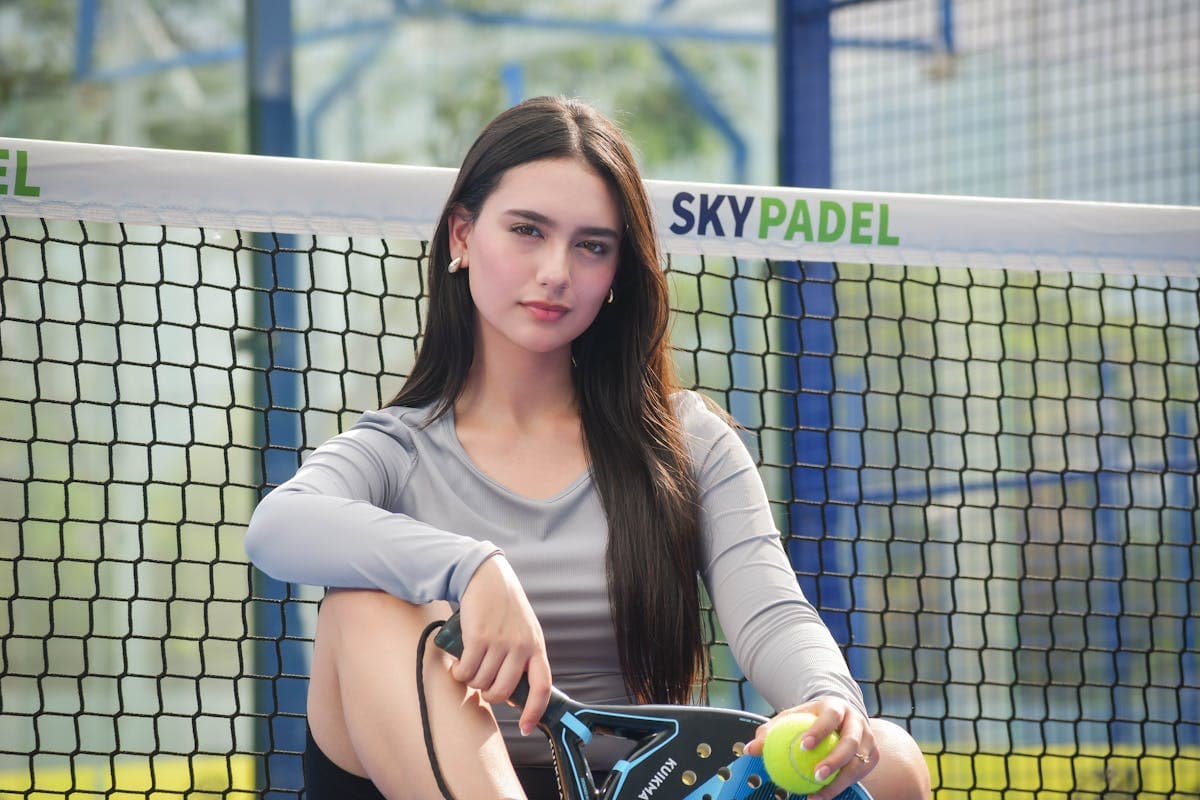
Welcome to padel! If you're reading this, you've probably heard friends raving about this "amazing new sport" (spoiler: it's been around since 1969, but who's counting?). Maybe you've seen the glass-walled courts and wondered what the fuss is about. This guide will get you from absolute beginner to confident player.
Padel is easier to learn than tennis, more social than squash, and more addictive than scrolling TikTok. By the end of this guide, you'll understand why 25 million people worldwide have fallen in love with padel.
🤔 What Exactly Is Padel?
Imagine tennis and squash had a baby, and that baby was raised by incredibly friendly Spanish grandparents. That's padel. It's played on a smaller court enclosed by glass walls, always in doubles, with special rackets (no strings!) and a slightly depressurized tennis ball.
Quick Facts
- Court size: 20m x 10m (about 1/3 the size of a tennis court)
- Players: Always doubles (4 players total)
- Walls: Part of the game — you can use them!
- Scoring: Same as tennis (15, 30, 40, game)
- Serve: Underhand only
🎾 Equipment: What You Need
Padel Racket
Forget everything you know about tennis rackets. Padel rackets have no strings— just a solid surface with holes for aerodynamics. They're shorter, lighter, and way more forgiving.
- Shape: Round (control), teardrop (balance), or diamond (power)
- Weight: 350-380 grams (much lighter than tennis)
- Price: $50-300 for beginners, $300+ for advanced
- Beginner tip: Start with a round racket for maximum control
Balls
Padel balls look like tennis balls but with 6-10% less pressure. This makes them slower and easier to control. Perfect for beginners!
Shoes
Court shoes with non-marking soles are required. Many tennis or indoor court shoes work perfectly.
What About Clothing?
Anything comfortable that allows movement. Many padel players wear tennis-style clothes, but there's no strict dress code like in tennis.
📏 Court Layout & Basic Rules
The Court
A padel court looks like a tennis court that someone put in a glass box:
- Back walls: 4 meters high (glass or concrete)
- Side walls: 3 meters high tapering to 2 meters
- Net: 0.88m high (same as tennis)
- Service boxes: Just like tennis but smaller
Basic Rules
Serving
- Must be underhand (below waist level)
- Ball bounces on your side, then opponent's service box
- Can hit the back wall after bouncing (but not side walls)
- Two serves allowed per point
During Play
- Ball can only bounce once on your side
- You can hit walls on your side after the ball bounces
- Ball must go over the net and land in opponent's court
- It can then hit their walls (that's their problem!)
What's NOT Allowed
- Ball hitting the mesh/fence (point lost)
- Ball bouncing twice on your side
- Hitting the ball into the net
- Touching the net with racket or body
🎯 Basic Strategy for Beginners
The Golden Rules
1. Control the Net
In padel, the team at the net wins. Get to the net as soon as possible and make your opponents do the work from the back.
2. Use the Walls
The walls aren't obstacles — they're tools. Let the ball hit your back wall, then play it calmly. Use lobs to push opponents back.
3. Move as a Team
You and your partner should move together like you're connected by an invisible rope. If your partner goes forward, you go forward. No exceptions.
4. Placement Over Power
Hard shots are easy to return in padel. Instead, focus on placement and angles. A well-placed soft shot is more effective than a cannonball to the middle.
Simple Shot Selection
- From the back: Lob or cross-court drive
- At the net: Volley low and to the corners
- Under pressure: Lob high and deep
- Easy ball: Attack with a smash or drop shot
⚡ Your First Game: What to Expect
Before You Step on Court
- Warm up: Light stretching and easy swings
- Partner up: Ideally with someone more experienced
- Set expectations: Focus on learning, not winning
First 15 Minutes
- Hit gently: Get a feel for the ball and racket
- Practice serves: Underhand only!
- Try wall shots: Let the ball hit the back wall and play it
- Stay positive: Everyone misses shots when learning
Common Beginner Mistakes
- Hitting too hard: Power comes later, control comes first
- Avoiding walls: They're your friend, use them!
- Wrong positioning: Stay with your partner
- Tennis habits: This isn't tennis — adjust accordingly
🏃♂️ Physical Demands & Fitness
Good News for Beginners
Padel is much easier on your body than tennis. The smaller court means less running, and the underhand serve reduces shoulder stress.
What You'll Use Most
- Quick lateral movement: Side-to-side shuffling
- Hand-eye coordination: Lots of volleys and reactions
- Core stability: Helps with balance and control
- Mental focus: Reading bounces and positioning
Building Padel Fitness
- Agility drills: Ladder work and cone drills
- Reaction training: Partner tosses balls randomly
- Core work: Planks and rotational exercises
- Play more padel: The best fitness is sport-specific
🎓 Learning Path: Week by Week
Week 1: Basics
- Learn proper grip and stance
- Practice underhand serving
- Get comfortable with wall bounces
- Play games to 7 points (shorter, less pressure)
Week 2-3: Movement
- Work on court positioning with partner
- Practice basic volleys
- Learn when to lob vs. drive
- Play full games but focus on consistency
Week 4+: Strategy
- Develop shot selection skills
- Practice more advanced shots (bandeja, chiquita)
- Work on team tactics
- Start playing with different partners
🏟️ Finding Places to Play
Types of Venues
- Dedicated padel clubs: Best courts and communities
- Tennis clubs with padel: Often good facilities
- Fitness centers: Usually more casual atmosphere
- Public courts: Growing in many cities
What to Look For
- Beginner-friendly: Ask about lessons or beginner groups
- Equipment rental: Try before you buy
- Community: Good clubs have welcoming players
- Multiple courts: More options for play time
💰 Cost Breakdown
Initial Investment
- Racket: $75-150 (beginner-friendly)
- Shoes: $60-120 (court shoes you may already have)
- Balls: $15-25 (3-can set, lasts months)
- Total: $150-300 to get started
Ongoing Costs
- Court rental: $20-50 per hour (split 4 ways = $5-12 each)
- Lessons: $50-100 per session (group lessons cheaper)
- Club membership: Varies widely by location
🤝 The Social Side
Why Padel Is So Addictive
Padel isn't just a sport — it's a social experience. The doubles format means you're constantly interacting with three other people. Points are longer, there's more strategy, and you'll find yourself chatting and laughing between points.
Building Your Padel Network
- Join beginner groups: Most clubs have them
- Be open to playing with anyone: You'll learn from everyone
- Attend club socials: Great way to meet regular players
- Play mixed skill levels: Helps you improve faster
🚀 Next Steps
Ready to Start?
- Find a local club using our club directory
- Book a beginner lesson or intro session
- Rent equipment for your first few sessions
- Be patient — improvement comes quickly in padel
- Have fun! That's what it's all about
Want to Learn More?
- Rules deep dive: Check our complete rules guide
- Shot technique: Read our shots guide
- Follow the pros: Watch Premier Padel highlights
- Join the community: Follow padel accounts on social media
Ready to Play Your First Game? 🎾
Find a club near you and book your first session. Trust us — after one game, you'll be hooked.