Padel is one of the safest racquet sports — the smaller court, underhand serve, and doubles-only format mean less sprinting, less overhead strain, and more controlled movements than tennis. But "safer" doesn't mean injury-proof. As participation explodes and players push their limits, padel injuries are becoming more common — and understanding them is key to staying on court.
This guide covers the five most common padel injuries, proven prevention strategies, when to see a doctor, and realistic recovery timelines so you can play smarter and recover faster.
🏥 The 5 Most Common Padel Injuries
1. Tennis Elbow (Lateral Epicondylitis)
Prevalence: Very Common • Severity: ModerateThe most common padel injury by far. Pain on the outside of the elbow caused by overuse of the forearm muscles, especially during backhand shots. Despite the name, tennis elbow is actually more common in padel than tennis because padel rackets are stiffer (no strings to absorb vibration), and the wall play generates high-frequency impacts.
⚡ Risk Factors:
- • Gripping the racket too tightly
- • Using a racket that's too heavy or stiff
- • Poor backhand technique (wrist-dominant)
- • Playing too frequently without rest days
2. Ankle Sprains
Prevalence: Common • Severity: Mild to ModerateQuick lateral movements, sudden stops, and the textured turf surface create the perfect conditions for ankle rolls. Most padel ankle sprains are lateral (inversion) sprains affecting the outside ligaments. They range from mild stretches (Grade 1) to partial tears (Grade 2) — full tears (Grade 3) are rare in padel but do happen.
⚡ Risk Factors:
- • Worn-out shoes with poor lateral support
- • Previous ankle injuries (biggest predictor)
- • Fatigue — most sprains happen in the last 20 minutes of play
- • Wet or poorly maintained court surface
3. Shoulder Injuries (Rotator Cuff)
Prevalence: Moderate • Severity: Moderate to SeriousOverhead smashes, viboras, and bandeja shots put significant stress on the rotator cuff — the group of four muscles and tendons that stabilize the shoulder joint. Repetitive overhead play can lead to inflammation (tendinitis), impingement, or in severe cases, partial rotator cuff tears. This injury tends to develop gradually rather than from a single incident.
⚡ Risk Factors:
- • Excessive overhead play without conditioning
- • Poor smash technique (arm-only, no body rotation)
- • Age 40+ (tendons lose elasticity naturally)
- • Desk workers with already-tight shoulders
4. Knee Pain (Patellar Tendinitis)
Prevalence: Moderate • Severity: Mild to ModerateAlso called "jumper's knee," this is pain at the front of the knee just below the kneecap. It's caused by repetitive loading from the low, bent-knee ready position padel demands. The constant lunging, split-stepping, and quick direction changes put continuous strain on the patellar tendon. It tends to come on gradually and worsen if ignored.
⚡ Risk Factors:
- • Playing on hard surfaces without proper footwear
- • Weak quadriceps or tight hamstrings
- • Sudden increase in playing frequency
- • Being overweight adds stress to the joint
5. Wrist Strains
Prevalence: Common • Severity: MildThe vibration from ball impacts — especially off-center hits — transfers directly through the rigid padel racket to the wrist. Unlike tennis rackets, padel rackets have no strings to absorb shock, meaning the wrist takes more punishment per shot. Wrist strains are usually mild but can become chronic if you play through the pain.
⚡ Risk Factors:
- • Heavy rackets with high balance points
- • Excessive wrist flicking on shots
- • Worn-out overgrips (less vibration dampening)
- • Not wearing a wrist strap/leash properly
🛡️ Prevention: Keep Yourself on Court
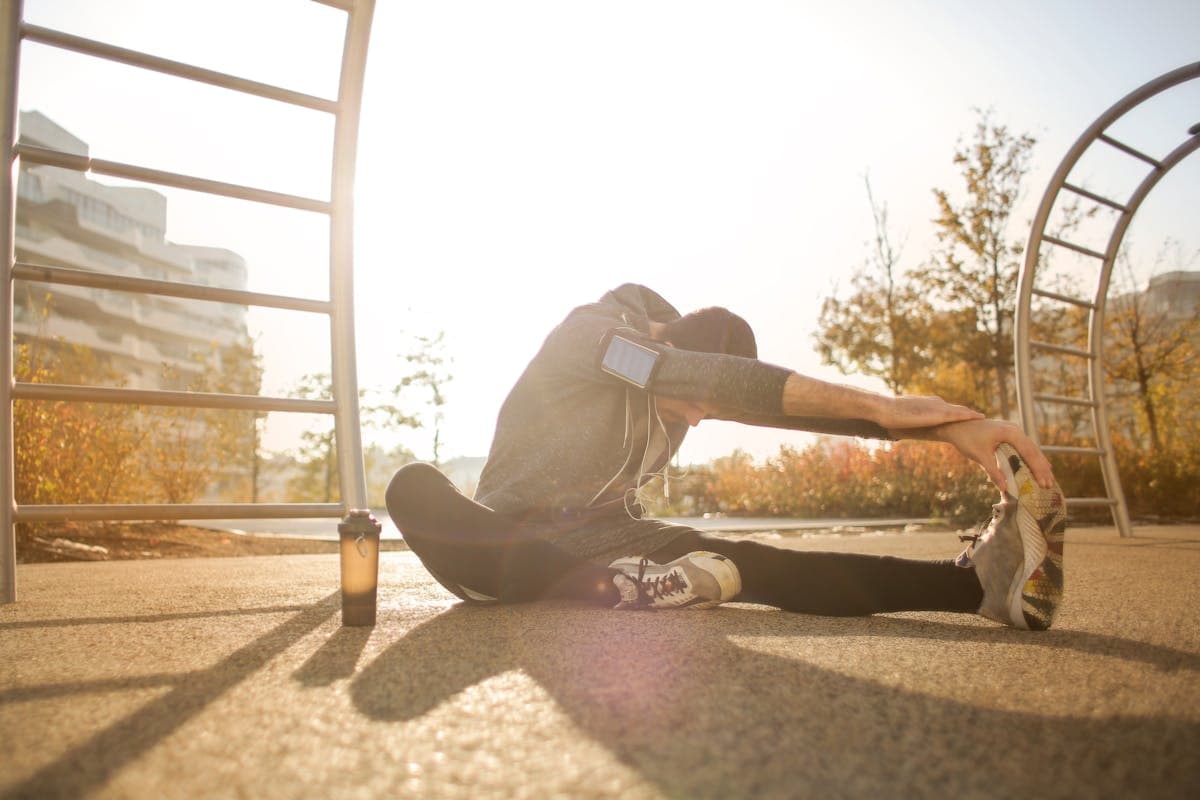
Warm-Up Routine (10 Minutes)
Never skip the warm-up.A proper warm-up is your single best defense against injury. Here's a padel-specific routine:
Equipment Choices That Reduce Injury Risk
🏸 Choose the right racket weight
If you're experiencing elbow or wrist pain, switch to a lighter racket (340–360g) with a round shape and soft EVA core. The reduced weight and increased sweet spot dramatically lower vibration transfer. Add a vibration dampener and fresh overgrip for extra protection.
👟 Invest in proper padel shoes
Regular running shoes or gym trainers are a recipe for ankle sprains. Padel shoes (or clay-court tennis shoes) have reinforced lateral support, herringbone soles for grip on artificial turf, and cushioning designed for multidirectional movement. Replace them every 6–12 months or when the outsole tread wears smooth.
🧦 Don't ignore the small stuff
Padel-specific socks with extra ankle cushioning, a proper wrist sweatband to maintain grip, and an elbow compression sleeve if you're prone to tendinitis. These $10–$20 accessories can prevent injuries that cost thousands to treat.
⚠️ When to See a Doctor
Don't play through pain. Padel injuries that are minor today can become chronic conditions if ignored. See a sports medicine doctor or physiotherapist if:
- • Pain persists beyond 48 hours after rest and icing
- • Swelling doesn't go down within 2–3 days
- • You hear a pop or snap during play
- • You can't bear weight on the affected joint
- • Pain worsens even with rest
- • Numbness or tingling in the hand, arm, or foot
- • The same injury keeps recurring — this suggests an underlying biomechanical issue
⏱️ Recovery Timelines
"The biggest mistake recreational padel players make is coming back too soon. Give yourself an extra week beyond when you think you're ready. Your tendons and ligaments heal slower than your patience."
Play Smart, Play Long
Prevention beats treatment every time. Warm up properly, choose the right gear, listen to your body, and you'll be playing padel for decades.